-

In “Reformism or Revolution,” Alan Woods defends revolutionary Marxism against social democracy and class collaboration, arguing that capitalism cannot be reformed peacefully. He emphasizes the historical failures of reformist movements during crises, asserting that reforms are unstable and only valuable if they bolster class consciousness for revolutionary action. Woods re-centers state power in Marxist analysis,…
-
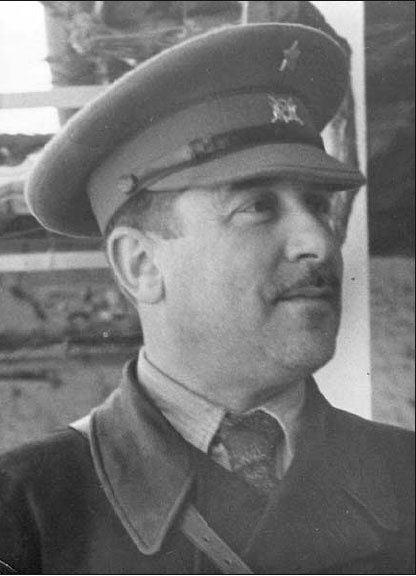
Máté Zalka, born Béla Frankl, was a pivotal figure in revolutionary socialism and anti-fascism, known for his role in the Spanish Civil War as “General Lukács.” His life exemplifies the intersection of military experience and political ideology within interwar radicalism, showcasing the influence of total war and revolution on personal and collective identity.
-

Robert A. Caro’s The Power Broker examines the life of Robert Moses and the nature of power in twentieth century America. Through extensive research, Caro reveals Moses’s manipulation of bureaucratic structures to evade democracy while perpetuating class and racial inequalities in urban development. The book raises critical questions about institutional authority and democratic accountability.
-
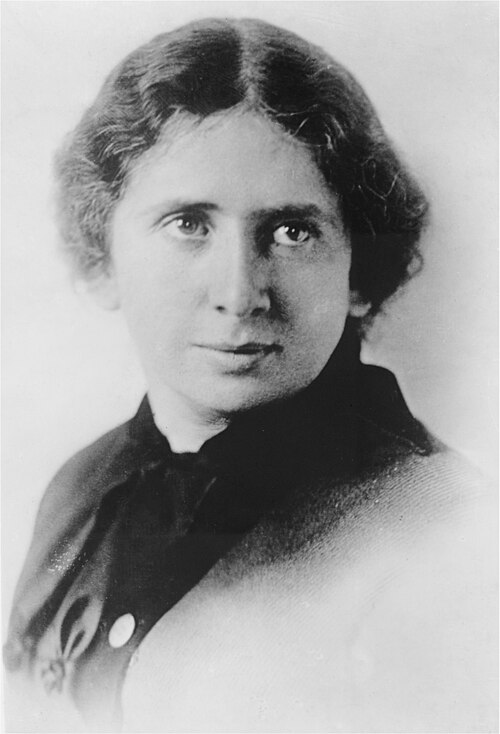
Rose Schneiderman was a pivotal labor organizer and feminist during the twentieth century, advocating for working women’s rights, particularly in the garment industry. Her activism merged socialism, unionism, and feminism, focusing on workplace safety and equal pay. Schneiderman’s enduring legacy includes significant contributions to labor reform and the political empowerment of women.
-
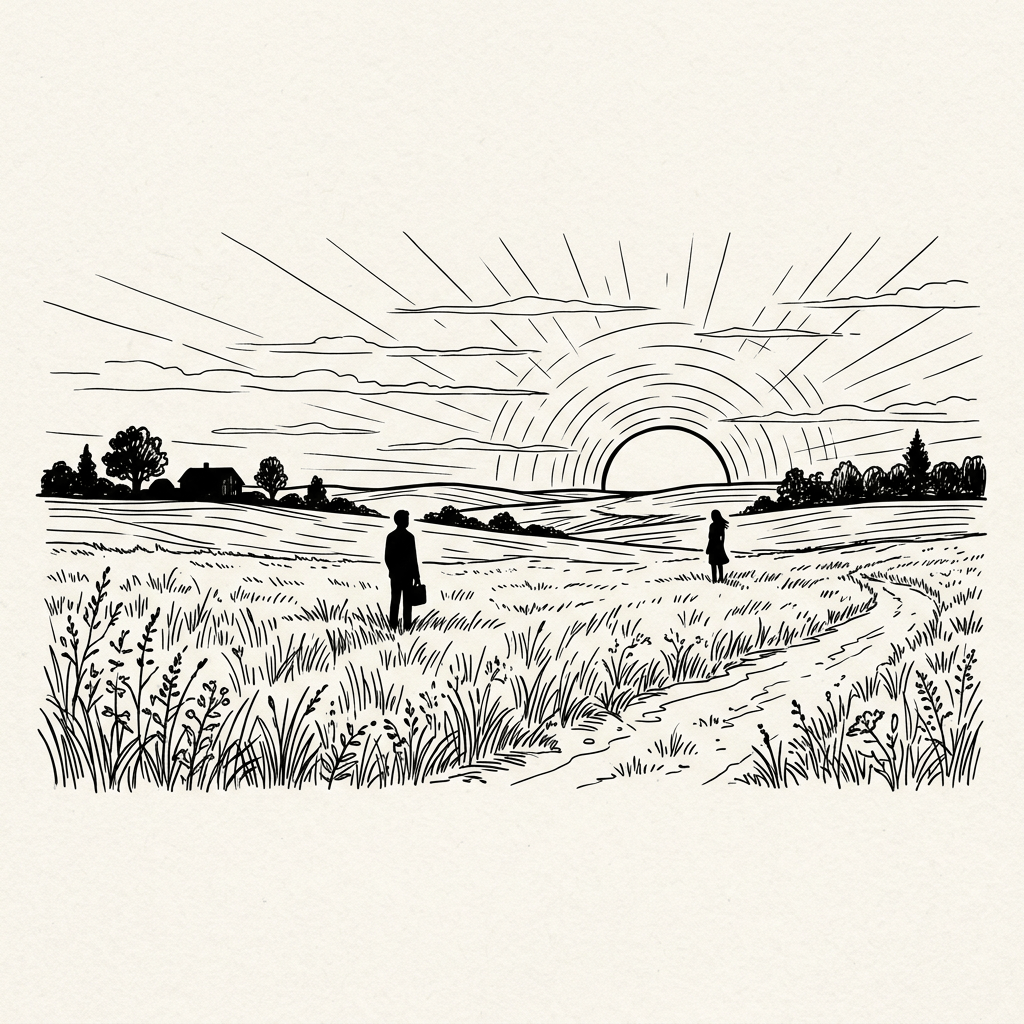
Joseph Moldover’s “To the End of Reckoning” is a psychological mystery exploring memory, grief, and familial obligation. Centered on the relationship between Lukas and his father, Dr. Richard Moore, the narrative blends emotional vulnerability with detective elements, highlighting the impact of trauma and the interplay between truth and perception in human relationships.
-
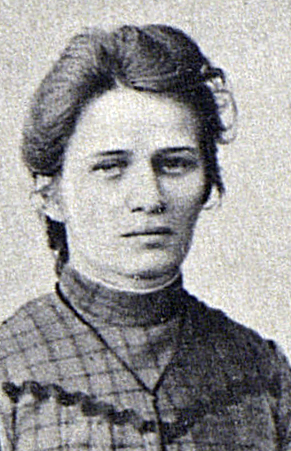
Lyubov Nikolaevna Radchenko’s contributions to the Russian revolutionary movement exemplify the essential yet often overlooked roles of women activists. While overshadowed by prominent figures, her work as an underground organizer highlights the critical organization and education within the Bolshevik context. Radchenko’s story reveals the vital labor behind major revolutionary transformations.
-
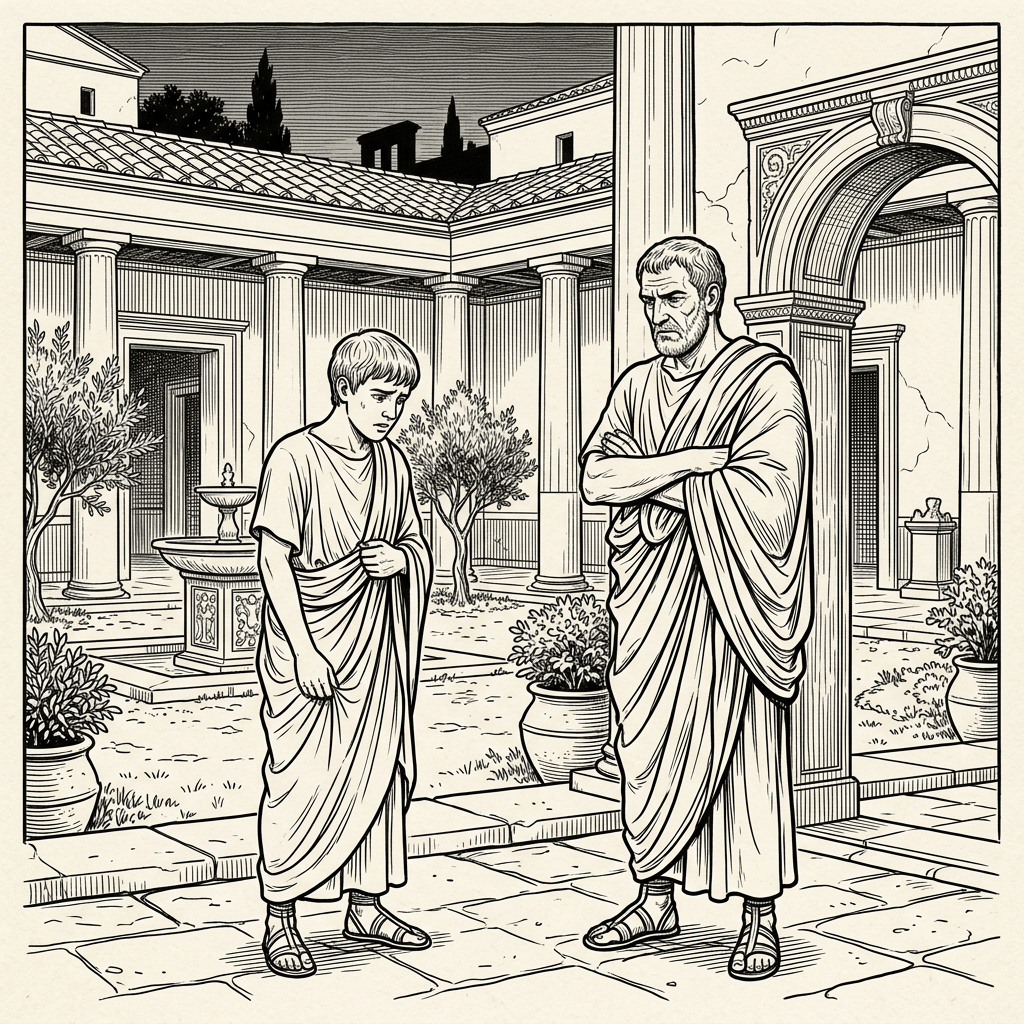
Terence’s “Adelphoe,” performed in 160 BCE, critiques Roman masculinity through the conflicting ideals of two brothers, Demea and Micio, regarding fatherhood and authority. The play navigates complex themes like educational philosophy and societal expectations, ultimately resisting simple moral resolutions and highlighting the nuances of family dynamics amid cultural transformation.
-
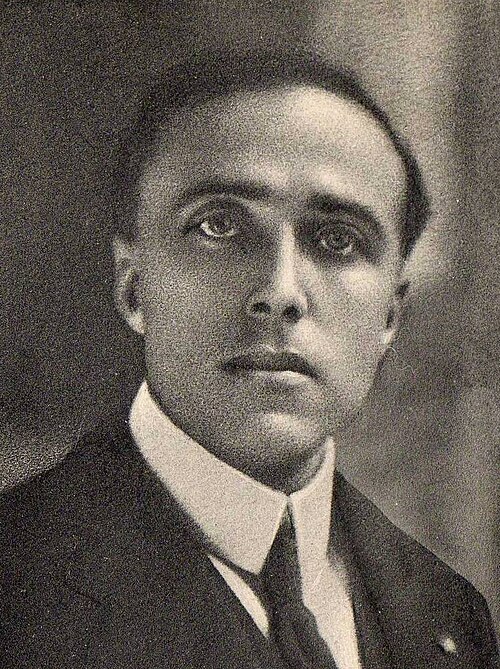
Giacomo Matteotti, a prominent reformist socialist and critic of Mussolini, became a symbol of anti-fascist resistance after his assassination in 1924. His commitment to parliamentary democracy and opposition to fascism marked him as a key political figure in Italy. Matteotti’s legacy endures as a moral champion for democracy amidst authoritarianism.
-
Terence’s Heauton Timorumenos, performed in 163 BCE, offers a nuanced exploration of paternal authority and self-inflicted suffering within Roman domestic life. Through character Menedemus, Terence examines the complexities of moral anguish and human interdependence, emphasizing emotional authenticity and psychological realism over farcical elements, reflecting deep ethical considerations in familial relationships.
-
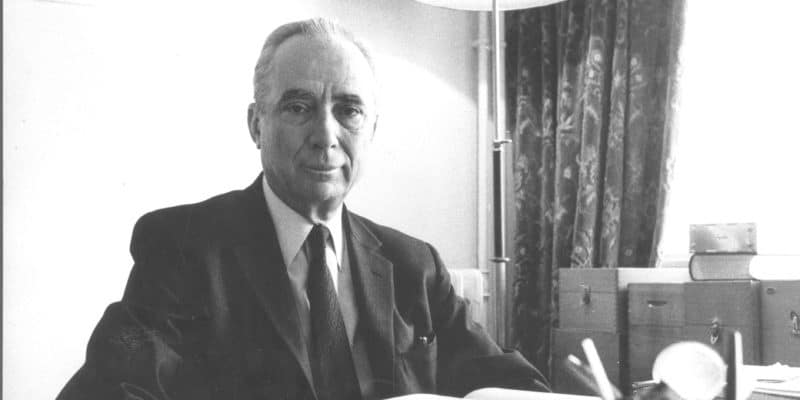
Arghiri Emmanuel (1911–2001) was a Greek political economist known for his theory of unequal exchange, which challenged traditional Marxist views on international trade and exploitation. He highlighted wage differentials as key drivers of global inequality, influencing debates on imperialism and globalization, while provoking controversy and critical discourse within Marxist circles.
-
Subscribe
Subscribed
Have a WordPress.com account? Log in now.

